
Micro biotechnology uses microorganisms and biological techniques in research, molecular diagnostics, genomics, and industrial applications. Techniques such as PCR, DNA extraction, and DNA sequencing support modern laboratory research and scientific innovation.
Micro biotechnology is an important area of modern science that combines microbiology and biotechnology to study microorganisms and their applications in research, healthcare, diagnostics, and industrial processes. It involves the use of microorganisms, cells, and biological systems to develop scientific solutions and improve laboratory research.
With advances in molecular biology, DNA analysis, PCR technology, and genetic research, micro biotechnology has become increasingly relevant to modern laboratories. Researchers use specialized laboratory instruments, reagents, and molecular biology techniques to study biological samples and investigate microorganisms at the molecular level.
For diagnostic labs, hospitals, research centers, and biotech firms, having dependable lab supplies is crucial for doing research work effectively. GC Life Science helps labs by providing products for molecular testing, lab chemicals, equipment, and solutions tailored for various research needs.
What Is Micro Biotechnology?
Micro biotechnology uses biotechnology methods that involve tiny living organisms, like bacteria and other microorganisms, and the ways these small life forms work. It can involve looking into and using bacteria, yeast, fungi, and other tiny organisms for learning, testing, making things for industry, and studying the environment.
This field overlaps with microbiology, molecular biology, genetic engineering, and biochemistry. Depending on the research objective, scientists may use microbial culture techniques, DNA and RNA extraction, polymerase chain reaction (PCR), sequencing, and other molecular methods.
Micro biotechnology also contributes to the development of diagnostic methods, the study of microbial genetics, and the investigation of biological processes. Laboratory instruments, high-quality reagents, and suitable testing protocols help researchers perform these activities under controlled laboratory conditions.
Importance of Micro Biotechnology in Modern Research
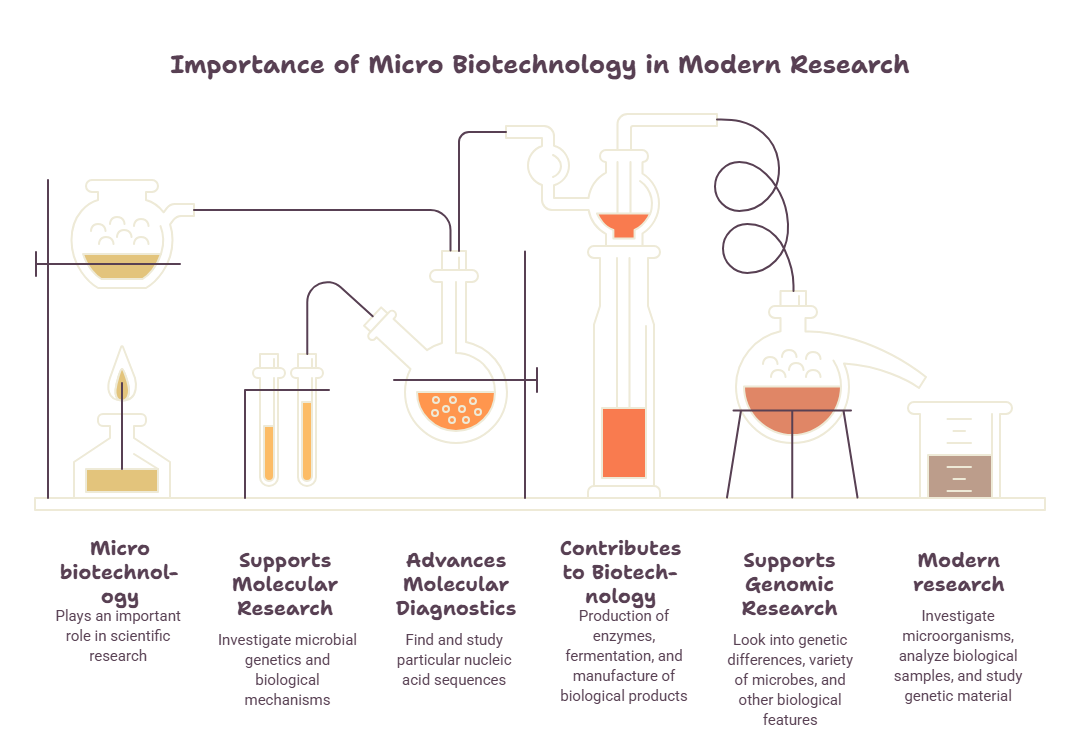
Micro biotechnology plays an important role in scientific research because it helps researchers investigate microorganisms, analyze biological samples, and study genetic material.
1. Supports Molecular Research
Molecular research looks at things like DNA, RNA, proteins, and other parts of living organisms. Researchers can use techniques from micro biotechnology to investigate microbial genetics and biological mechanisms.
DNA and RNA extraction kits, PCR reagents, and molecular biology instruments are commonly used in these research workflows.
2. Helps Advance Molecular Diagnostics
Molecular diagnostics uses biological markers and genetic material to investigate or detect specific conditions, including certain infectious diseases and genetic abnormalities.
Using methods like PCR and real-time quantitative PCR (qPCR), labs can find and study particular nucleic acid sequences, but only if they use properly tested and approved techniques.
3. Contributes to Biotechnology Development
Microorganisms have a broad range of uses in biotechnology, including the production of enzymes, fermentation, and the manufacture of biological products.
Looking at the traits of microbes can help scientists explore useful processes in areas like medicine, farming, food production, and industrial applications.
4. Supports Genomic Research
The study of genomes involves analyzing the genetic information of organisms. DNA sequencing and next-generation sequencing (NGS) tools let scientists look into genetic differences, variety of microbes, and other biological features.
Specialized sequencing reagents, library preparation kits, and sample preparation systems support these workflows.
Major Techniques Used in Micro Biotechnology
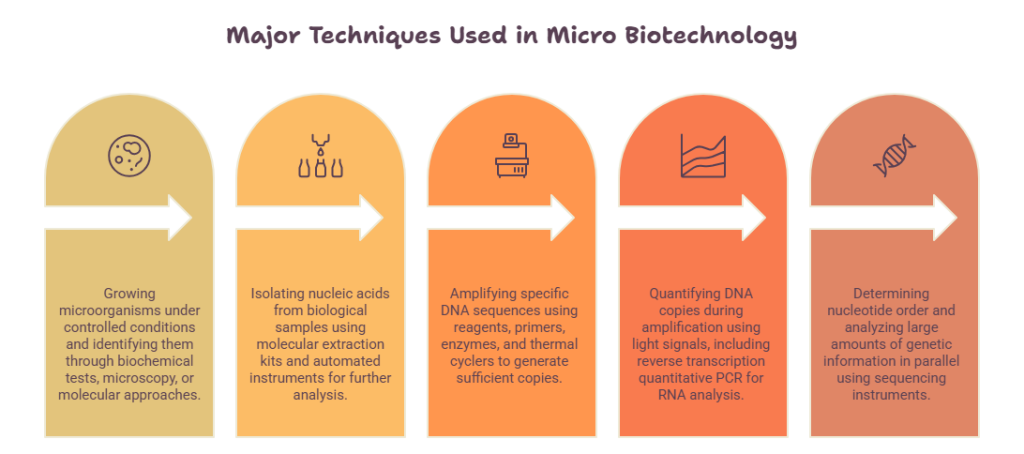
Several laboratory techniques are used in micro biotechnology, depending on the sample type, research objective, and testing requirements.
1. Microbial Culture and Identification
Microbial culture involves growing microorganisms under controlled conditions using appropriate culture media and laboratory procedures. Researchers can study microbial growth, characteristics, and responses under specific conditions.
Microbial identification can be done through biochemical tests, using a microscope, or employing molecular approaches. The method chosen is based on the type of microorganism and the goal of the study.
2. DNA and RNA Extraction
DNA and RNA extraction is an essential step in many molecular biology workflows. It involves isolating nucleic acids from biological samples for further analysis.
Molecular extraction kits and automated extraction instruments can help laboratories prepare samples for downstream applications such as PCR, qPCR, and sequencing.
The selection of an extraction method depends on sample type, nucleic acid requirements, and the intended application.
3. Polymerase Chain Reaction (PCR)
Polymerase chain reaction (PCR) is a molecular biology technique used to amplify specific DNA sequences. It allows researchers to generate sufficient copies of a target region for subsequent analysis.
PCR is widely used in research, genetic analysis, microbial studies, and molecular diagnostics. PCR reagents, primers, enzymes, and suitable thermal cyclers are important components of the workflow.
4. Real-Time PCR (qPCR)
Real-time PCR, which is sometimes called quantitative PCR, checks how much of a specific DNA is being copied during the PCR process by using light signals that change as the DNA copies increase. Reverse transcription quantitative PCR is a method that uses RNA which is first turned into complementary DNA before the amplification process begins.
These methods are used in gene expression studies, microbial analysis, and selected diagnostic applications. Appropriate controls, validated protocols, and compatible qPCR reagents are necessary for reliable results.
5. DNA Sequencing and Next-Generation Sequencing
DNA sequencing determines the order of nucleotides in genetic material. Next-generation sequencing (NGS) allows researchers to analyze large amounts of DNA sequence information in parallel.
Sequencing techniques support microbial genomics, genetic research, pathogen investigation, and molecular oncology research. Library preparation kits, sequencing reagents, and suitable laboratory instruments are important parts of sequencing workflows.
Applications of Micro Biotechnology
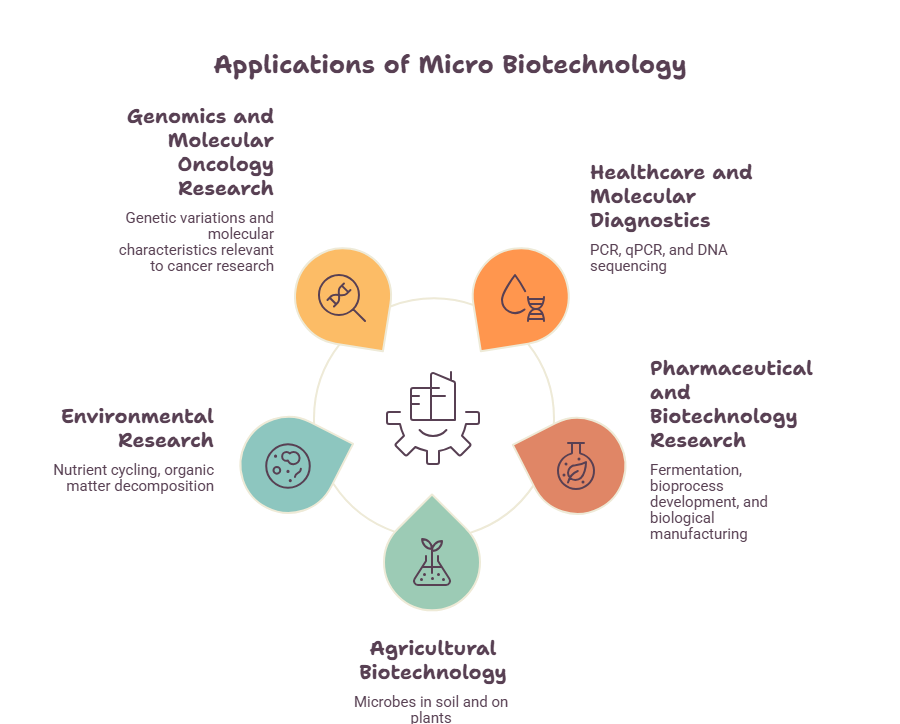
Micro biotechnology has applications across several scientific and industrial sectors.
1. Healthcare and Molecular Diagnostics
The use of molecular techniques in healthcare research involves examining microorganisms and genetic material linked to particular diseases. PCR, qPCR, and DNA sequencing can help with various diagnostic and research tasks.
Diagnostic laboratories require suitable molecular diagnostics products, validated reagents, and compatible instruments to perform their intended tests.
2. Pharmaceutical and Biotechnology Research
Microorganisms are used in pharmaceutical and biotechnology research for studying biological processes and developing certain enzymes, proteins, and other biological products.
Microbial research also contributes to investigations involving fermentation, bioprocess development, and biological manufacturing.
3. Agricultural Biotechnology
Micro biotechnology can help scientists study tiny microbes in soil, the microorganisms that live on plants, and the natural processes that are important for farming.
Scientists study how microbes interact, how nutrients move through the environment, and how living organisms can be used to manage crops.
Molecular methods can help characterize microorganisms and examine their genetic properties.
4. Environmental Research
Microorganisms contribute to nutrient cycling, organic matter decomposition, and various environmental processes. Micro biotechnology can help researchers study microbial communities and investigate their roles in soil, water, and waste management.
Molecular analysis and sequencing can provide information about microbial diversity and community composition.
5. Genomics and Molecular Oncology Research
Micro biotechnology-related molecular techniques also contribute to genomics and molecular oncology research. DNA extraction, PCR, sequencing, and other molecular biology methods can help researchers investigate genetic variations and molecular characteristics relevant to cancer research.
The selection of methods and reagents depends on the research design and sample requirements.
Laboratory Instruments and Reagents Used in Micro Biotechnology
Strong and dependable lab tools and chemicals are important for doing molecular biology and microbiology tests. Laboratories should choose products based on how they will be used, the types of samples they work with, what compatibility is needed, and the quality information provided.
Common laboratory products used in related workflows include:
- DNA and RNA extraction kits: Used to isolate nucleic acids from biological samples.
- PCR and qPCR reagents: Used for nucleic acid amplification and analysis.
- Molecular biology enzymes: Used in procedures such as DNA amplification and sample preparation.
- NGS library preparation kits: Used to prepare nucleic acid samples for sequencing workflows.
- Laboratory instruments: Include thermal cyclers, real-time PCR systems, centrifuges, and compatible sample preparation equipment.
- General laboratory reagents: Used in various molecular biology, microbiology, and research procedures.
Laboratories should also consider storage requirements, lot information, certificates of analysis (CoA), safety documentation, and technical support when sourcing laboratory products.
How to Choose the Right Micro Biotechnology Products
Choosing the right micro biotechnology products is important for maintaining reliable laboratory workflows and supporting research requirements. First, identify the application, such as microbial culture, molecular diagnostics, DNA and RNA extraction, PCR, qPCR, or DNA sequencing.
Next, make sure the product works with the sample type, the instruments you’re using, and the procedures you plan to follow. Check the product’s details, how it should be stored, how to use it, safety information, and any required analysis reports when needed.
Verify the intended use and regulatory status for diagnostic applications. In the end, think about the support you can get from the supplier and their experience to choose the right lab supplies, equipment, molecular biology tools, and diagnostic solutions for your lab.
Conclusion
Microbiology, molecular diagnostics, genomics, pharmaceutical research, agriculture, and environmental studies are among the many applications that make micro biotechnology significant in modern scientific research.
Methods like extracting DNA and RNA, using PCR, qPCR, and next-generation sequencing allow scientists to study biological samples and examine microorganisms. Choosing the right laboratory equipment, chemicals, and molecular biology tools is important for helping these processes work properly.
GC Life Science is a Jaipur-based supplier of molecular diagnostics and life science products, serving laboratories, hospitals, research institutes, and biotechnology organizations since 2014.
Its product portfolio includes laboratory instruments, PCR and qPCR reagents, molecular extraction kits, and NGS-related products from brands such as Qiagen, Promega, Eppendorf, Takara, and Real Gene. Laboratories can explore GC Life Science for suitable molecular biology products and laboratory solutions by visiting https://gclifescience.com/.
FAQ’s
1. What is micro biotechnology?
Micro biotechnology involves applying biotechnology methods to microorganisms, microbial cells, and related biological processes for research, diagnostics, industrial applications, and environmental studies.
2. What are the main applications of micro biotechnology?
Its applications include microbial research, molecular diagnostics, pharmaceutical development, agricultural biotechnology, environmental studies, genomics, and industrial biotechnology.
3. Which techniques are used in micro biotechnology?
Common techniques include microbial culture, DNA and RNA extraction, PCR, qPCR, DNA sequencing, and next-generation sequencing, depending on the research objective.
4. What is the role of PCR in micro biotechnology?
PCR amplifies specific DNA sequences, allowing researchers to obtain sufficient target material for analysis. It is used in molecular biology research, microbial studies, and selected diagnostic applications.
5. Why are DNA and RNA extraction kits important?
These kits help isolate nucleic acids from biological samples for downstream procedures such as PCR, qPCR, sequencing, and genetic analysis.
6. How is micro biotechnology used in molecular diagnostics?
Molecular methods can help detect or analyze specific genetic targets associated with microorganisms and other biological conditions. Their use depends on the validated test method and intended application.
7. What laboratory products are required for micro biotechnology research?
Depending on the workflow, laboratories may require extraction kits, PCR and qPCR reagents, enzymes, sequencing kits, thermal cyclers, centrifuges, and other laboratory instruments.
8. What is the difference between microbiology and micro biotechnology?
Microbiology primarily studies microorganisms and their characteristics. Micro biotechnology applies biological knowledge and techniques involving microorganisms to research, diagnostics, and practical applications. The two fields overlap considerably.
9. How does next-generation sequencing support micro biotechnology?
NGS allows researchers to analyze large amounts of DNA sequence data in parallel. It supports microbial genomics, genetic variation studies, and investigations of microbial diversity.
10. Where can laboratories source molecular biology reagents and instruments in India?
Laboratories can source products from specialized life science suppliers. GC Life Science provides molecular diagnostics products, laboratory instruments, reagents, and kits for relevant research and laboratory applications. Visit https://gclifescience.com/ to explore its product range.