A genomic laboratory requires specialized equipment, reliable workflows, and proper infrastructure to support accurate genetic research and molecular testing.
Whether the facility focuses on DNA sequencing, molecular diagnostics, or genomic research, careful planning helps ensure efficient operations and dependable results.
A well-designed genomic laboratory setup helps researchers perform DNA analysis, genetic testing, and molecular research with greater accuracy and efficiency.
Choosing suitable instruments, reliable reagents, and proper laboratory infrastructure also supports consistent workflows and long-term operational performance.
Essential Requirements for a Genomic Laboratory
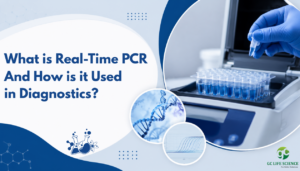
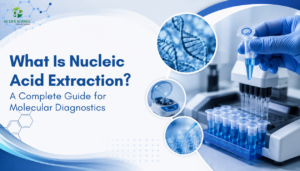
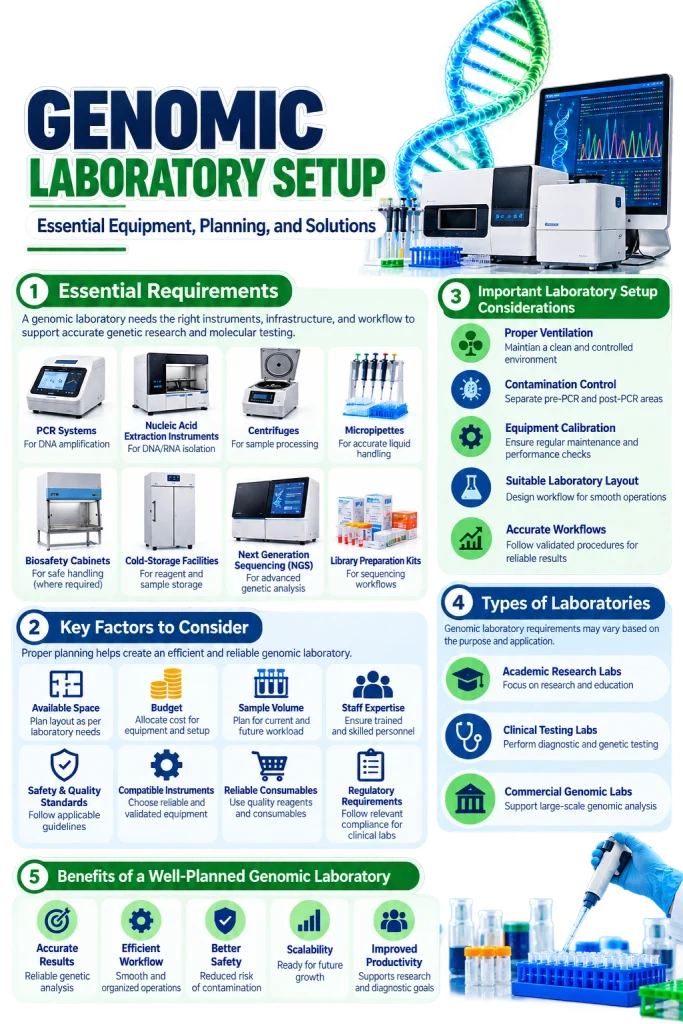
Setting up a genomic laboratory starts with identifying its purpose and testing requirements. Common equipment includes PCR systems, nucleic acid extraction instruments, centrifuges, micropipettes, biosafety cabinets where required, and appropriate cold-storage facilities.
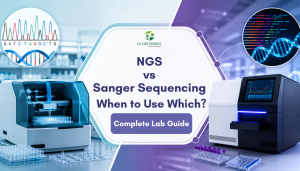
Laboratories conducting advanced genetic analysis may also need next-generation sequencing (NGS) systems and specialized library preparation kits.
Proper ventilation, contamination control, equipment calibration, and suitable laboratory layouts are equally important. Separating pre-PCR and post-PCR activities can help reduce contamination and protect the accuracy of test results.
Key Factors to Consider Before Setup
Before establishing a genomic laboratory, consider the available space, budget, expected sample volume, staff expertise, and applicable safety and quality standards.
Selecting compatible instruments and dependable consumables can also simplify routine work and maintenance.
Laboratory requirements vary according to whether the facility performs academic research, clinical testing, or commercial genomic analysis. Clinical laboratories must additionally follow applicable regulatory requirements and validated testing procedures.
Genomic Laboratory Setup Solutions by GC Life Science
GC Life Science supports laboratories with scientific equipment, molecular diagnostics products, reagents, consumables, and laboratory setup solutions.
Its product offerings can help research institutions, diagnostic laboratories, healthcare facilities, and other scientific organizations identify suitable resources for their operational needs.
For a successful genomic laboratory setup, choosing the right equipment and planning the workflow from the beginning are essential.
Working with an experienced laboratory solutions provider such as GC Life Science can help simplify product selection and laboratory planning according to the facility’s requirements.
Conclusion
A well-planned genomic laboratory combines appropriate equipment, contamination-control practices, trained personnel, and reliable quality procedures.
Careful planning from the start helps establish an efficient environment for genomic research and molecular testing.
FAQs
1. What is a genomic laboratory setup?
A genomic laboratory setup involves establishing the infrastructure, equipment, and workflows required for DNA analysis, genetic research, sequencing, and molecular testing.
2. What equipment is required for a genomic laboratory?
Common equipment includes PCR systems, DNA and RNA extraction instruments, centrifuges, micropipettes, cold-storage facilities, and sequencing systems, depending on the laboratory’s purpose.
3. How much does it cost to set up a genomic laboratory?
The cost depends on the laboratory’s size, equipment requirements, testing capacity, infrastructure, and level of automation. Advanced sequencing facilities generally require a larger investment.
4. What is the role of PCR in genomic research?
PCR amplifies specific DNA sequences, providing enough genetic material for various research and diagnostic applications.
5. Why is contamination control important in a genomic laboratory?
Contamination can affect test accuracy and lead to unreliable results. Separate work areas, proper cleaning procedures, and appropriate handling practices help reduce this risk.
6. What is the difference between a genomic laboratory and a molecular diagnostic laboratory?
A genomic laboratory may focus on genetic research, sequencing, and genome analysis, while a molecular diagnostic laboratory primarily detects specific genetic or molecular markers to support disease diagnosis.
7. What is next-generation sequencing (NGS)?
Next-generation sequencing is a technology that allows laboratories to analyze millions of DNA or RNA fragments in parallel, supporting applications such as genomic research and genetic variant analysis.
8. What factors should be considered before setting up a genomic laboratory?
Important factors include available space, budget, sample volume, equipment compatibility, staff training, safety requirements, workflow design, and applicable regulations.
9. How can a laboratory maintain accurate genomic testing results?
Laboratories can improve reliability through validated testing methods, equipment calibration, quality-control procedures, contamination prevention, staff training, and proper documentation.
10. How can GC Life Science help with genomic laboratory setup?
GC Life Science offers scientific equipment, molecular diagnostics products, reagents, consumables, and laboratory setup solutions to help laboratories identify resources suited to their operational requirements. Contact the company to discuss specific equipment and setup needs.